How EV Conversion Works
Turn Your Gas Car Electric
Converting a gas-powered vehicle into an EV doesn’t have to be overwhelming. With the right parts, support, and understanding of how the system works together, you can build a reliable, road-ready electric vehicle — and enjoy the process.
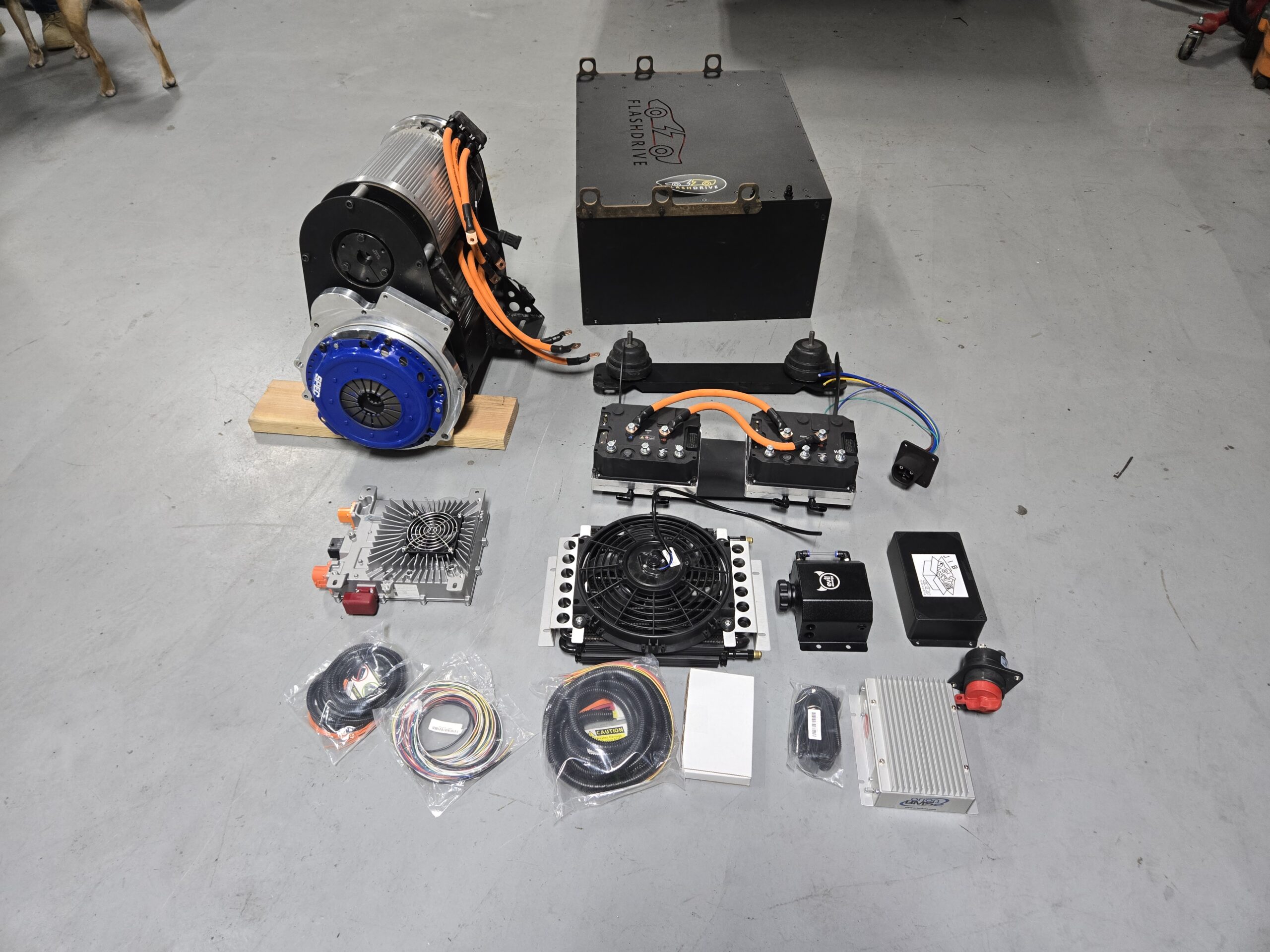
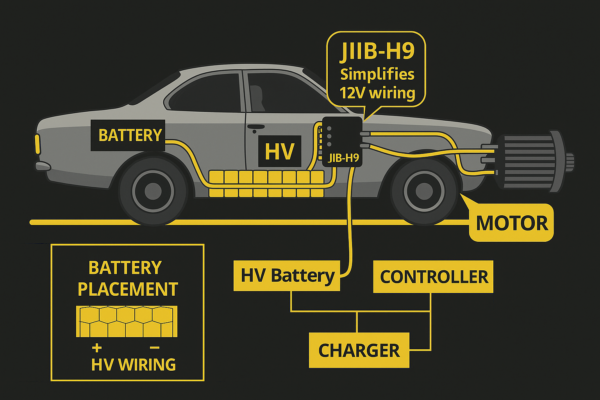
Your EV build starts with these core components.
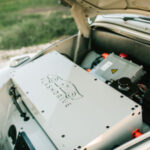
1. High-Voltage Battery Pack
The energy source that powers your vehicle.
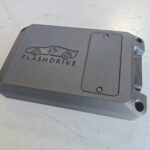
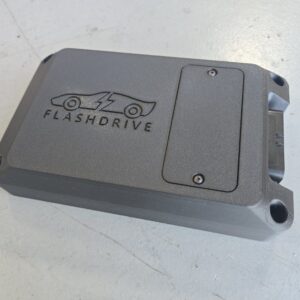
2. JIB-H9 VCU (Vehicle Control Unit)
The brain of your conversion — simplifies 12V wiring and connects your entire system.
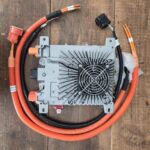
3. Charger + DC-DC Converter
Charger refuels your HV battery. DC-DC powers your 12V system.
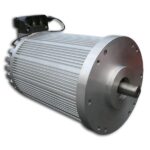
4. Motor + Controller
Replaces your gas engine and converts electricity to motion.
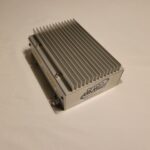
5. Battery Management System (BMS)
The BMS monitors your High Voltage Battery Pack and controls charging to keep your conversion safe.
Build Your Custom Kit
From: $0.00
Build Your Customized Electric Conversion Kit
Ready to electrify your classic ride? Flash Drive Motors makes it easy to select exactly what you need. Our interactive kit builder guides you step-by-step, helping you choose each component—motors, batteries, wiring kits, controllers, and more—tailored precisely for your vehicle and performance goals.
Select your components with confidence, knowing each part is hand-picked, compatible, and backed by our expertise. Let’s create your perfect electric conversion together.
Search our Product Guides to find the information you need on each part.
Scroll down to start building your dream kit today!
Based on 0 reviews
|
|
|
0% |
|
|
|
0% |
|
|
|
0% |
|
|
|
0% |
|
|
|
0% |
Flash Drive Motors JIB-H9 VCU Module
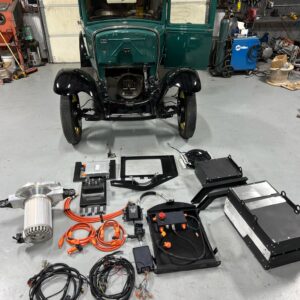
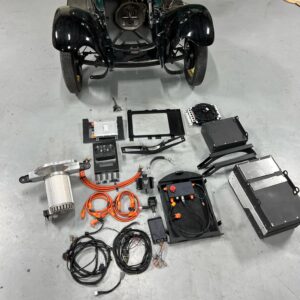
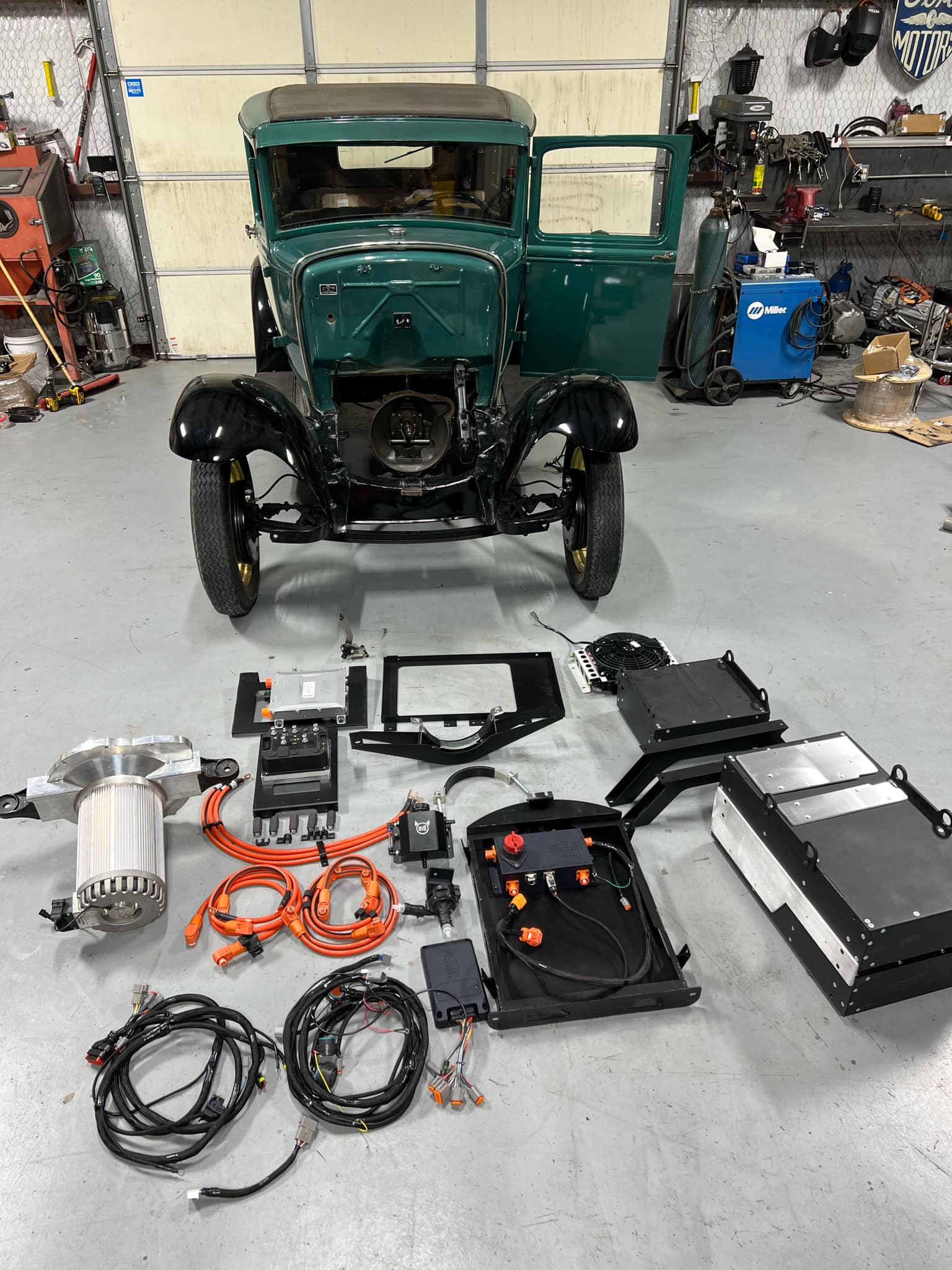
Complete Bolt-In EV Conversion Kit for Model A Fords (1928-1931)
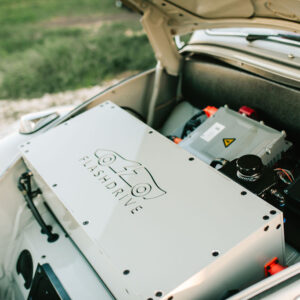
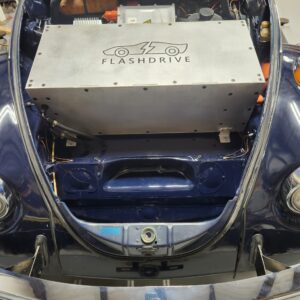
Assembled Tesla Battery Box Module (2-5 Modules) – Batteries included
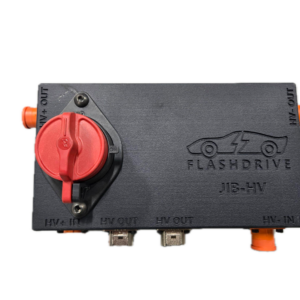
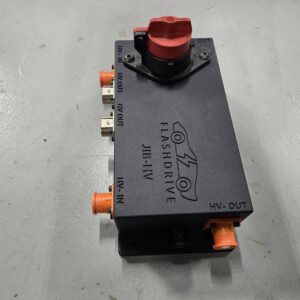
Flash Drive JIB-HV Module – Hyper 9 High Voltage Junction Box
Guides + Manuals
Frequently Asked Questions
Do you perform in-house EV conversions?
Toggle content goes here, click edit button to change this text.
What vehicles are compatible with EV Conversion?
- Small/Light-weight: Vehicles like classic Volkswagens (Beetle, Bus, Karmann Ghia), Fiat 500, small British sports cars (MGA, MGB, Triumph Spitfire), and BMWs are prime examples. Their lightweight bodies make them efficient candidates for electric conversions, maximizing range and performance.
- Pre-1980s: Cars from before the 1980s typically feature simpler mechanical designs, making them ideal for electric conversions. Classics such as the Ford Model A, Chevrolet Bel Air, and Dodge Dart are excellent choices. Their straightforward engineering and minimal electronics simplify the conversion process, reducing complexity and costs.
- Collectible: Cars with collectible or sentimental value are perfect candidates for electric conversions, as owners are often willing to invest in their preservation. Iconic models like the VW Beetle, Porsche 911, Chevrolet Camaro, and Ford Mustang fit the bill. Converting these classics to electric not only enhances their value but also ensures their longevity in a sustainable manner.
How much does EV conversion cost?
Costs vary depending on your vehicle, selected components, and whether you’re doing the work yourself or hiring a pro. DIY conversions using our kits typically range from $25,000 to $50,000. We’re happy to help you scope a build that fits your vision.
Can I install it myself if I am mechanically inclined?
Absolutely. Many of our customers are DIY enthusiasts. Our kits come with detailed instructions, and our team is available to answer questions throughout your build.
Reviews
There are no reviews yet.